THE QUICK ANSWER
Gather supplies before heavy leaf drop and choose mulching, composting, bagging or hauling. Include gutters and storm drains. Lexington city-service residents can use gray yard-waste carts or paper bags for extra leaves. Keep leaves out of streets and check current collection schedules.
When should you start preparing for fall leaf cleanup?
Start preparing in late summer or early fall, before most leaves begin dropping. Check your equipment and arrange disposal before the heaviest leaf drop.
Tree species, wind, rain, temperature and layout affect Central Kentucky leaf drop. Mature trees may require several cleanup rounds; open properties may need fewer visits.
Plan smaller rounds around weather and collection schedules. Start when you notice:
- Leaves are collecting in roof valleys or gutters.
- Walkways, stairs, or driveways are becoming difficult to see.
- Wet leaves are forming heavy mats over the lawn.
- Storm drains near the property are becoming covered.
- The volume is approaching the capacity of your cart or available bags.
- A large storm or extended period of rain is in the forecast.
Gather your leaf-cleanup supplies before the rush
Check batteries, fuel, cords, mower blades, collection bags and manufacturer safety instructions before heavy leaf drop. Replace damaged rakes, tarps or cords.
Rake in manageable sections. Keep wet-leaf loads small to avoid torn bags and strain.
- A comfortable, appropriately sized leaf rake
- Work gloves and a reusable tarp
- Paper yard-waste bags
- A leaf scoop or chute
- A mower with a mulching setting
- Eye and hearing protection for powered equipment
- Twine for qualifying branch bundles
- A broom for porches, steps, and paved areas
Choose a disposal method before you rake
Choose disposal based on leaf volume, garden plans, collection service and transport capacity before raking.
Option 1: Mulch leaves into the lawn
Mulch light or moderate layers with a mower to return organic material to soil and reduce bagging. The City of Lexington’s leaf-disposal guidance recommends regular mowing and extra passes when needed.
Chopped leaves should settle between grass blades. Collect excess material if it leaves a thick covering.
- The leaf layer is not excessively deep.
- Leaves are reasonably dry.
- The mower can break them into small pieces.
- The finished material does not remain in a heavy mat.
Option 2: Compost the leaves
Compost leaves with green material such as grass clippings and plant-based food scraps, following Lexington’s composting guidance.
Gray city yard-waste carts accept plant material, not ordinary food scraps.
Option 3: Use Lexington yard-waste collection
Lexington city-service households generally receive weekly yard-waste collection on their regular day. Check current weather and holiday notices before setting material out.
- Place loose leaves in the gray yard-waste cart.
- Keep cart material loose rather than bagging it inside the cart.
- Place additional leaves in paper yard-waste bags beside the cart.
- Keep trash, soil, tools, food scraps, and plastic bags out of the gray cart.
- Review the complete rules on Lexington’s yard-waste information page.
Option 4: Take leaves to the yard-waste facility
Fayette County residents may use Haley Pike Waste Management Facility, 4216 Hedger Lane. The city currently allows two pickup-truck loads of yard waste per month without charge; verify the current allowance before visiting.
Check current city hours, load requirements, fees and seasonal rules. Secure or tarp open-truck loads and bring residency proof if requested.
Option 5: Hire fall-cleanup help
Consider help for large or steep yards, mature trees, gutters, or limited time, equipment and disposal capacity.
Confirm raking or blowing, beds, paved areas, bagging, curb placement and hauling in the written scope. Off-site disposal requires explicit inclusion in your quote.
Do not rake or blow leaves into the street
Street leaves can block drains, create slippery surfaces, cause localized flooding and add nutrients to waterways.
Keep leaves on your property until mulched, composted, collected in approved carts or paper bags, or prepared for lawful transport. Clear drain openings only from a safe location; never enter traffic or move grates.
Lexington does not collect loose piles raked to the curb or street. Prepare material according to the current yard-waste rules.
Include gutters in your fall cleanup plan
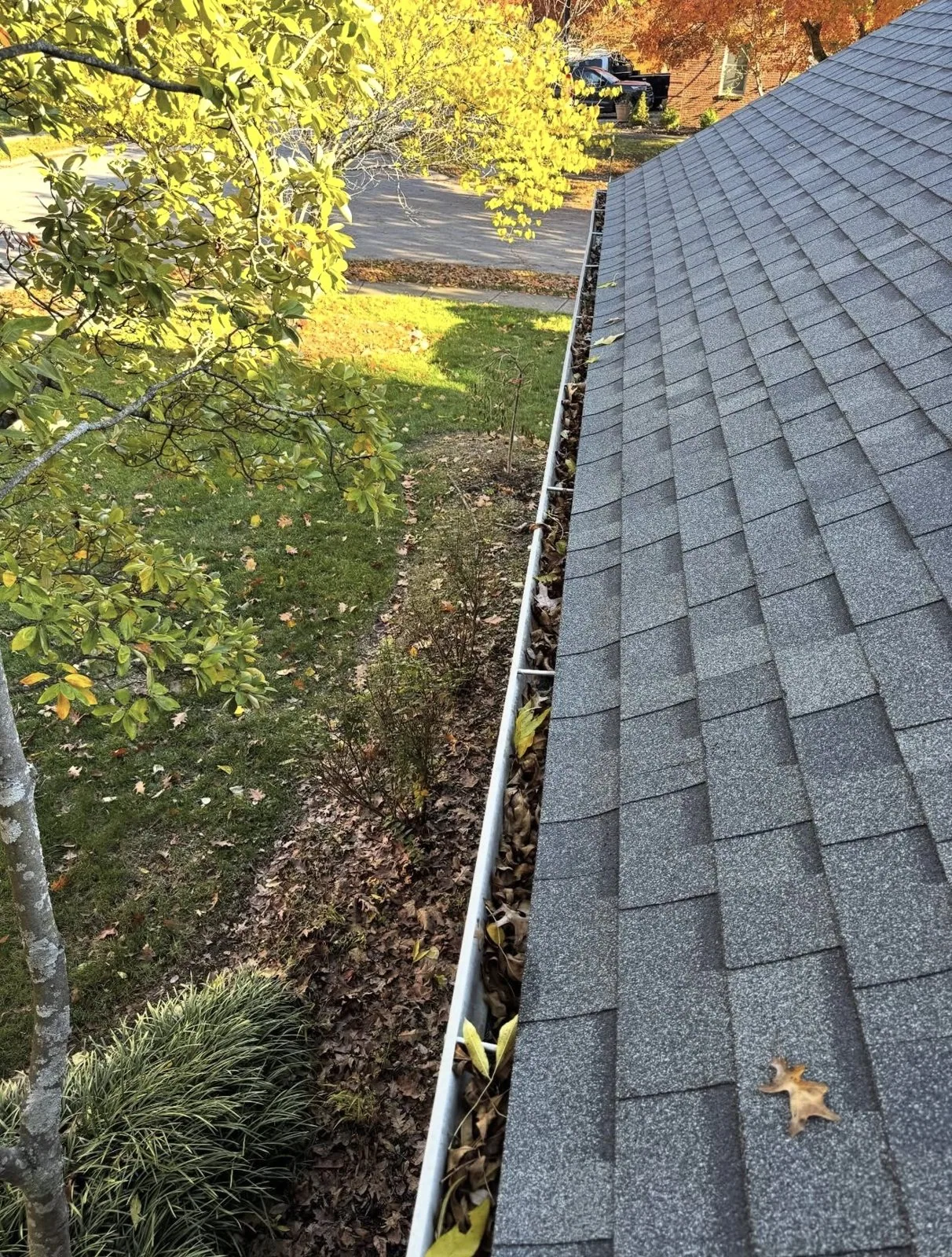
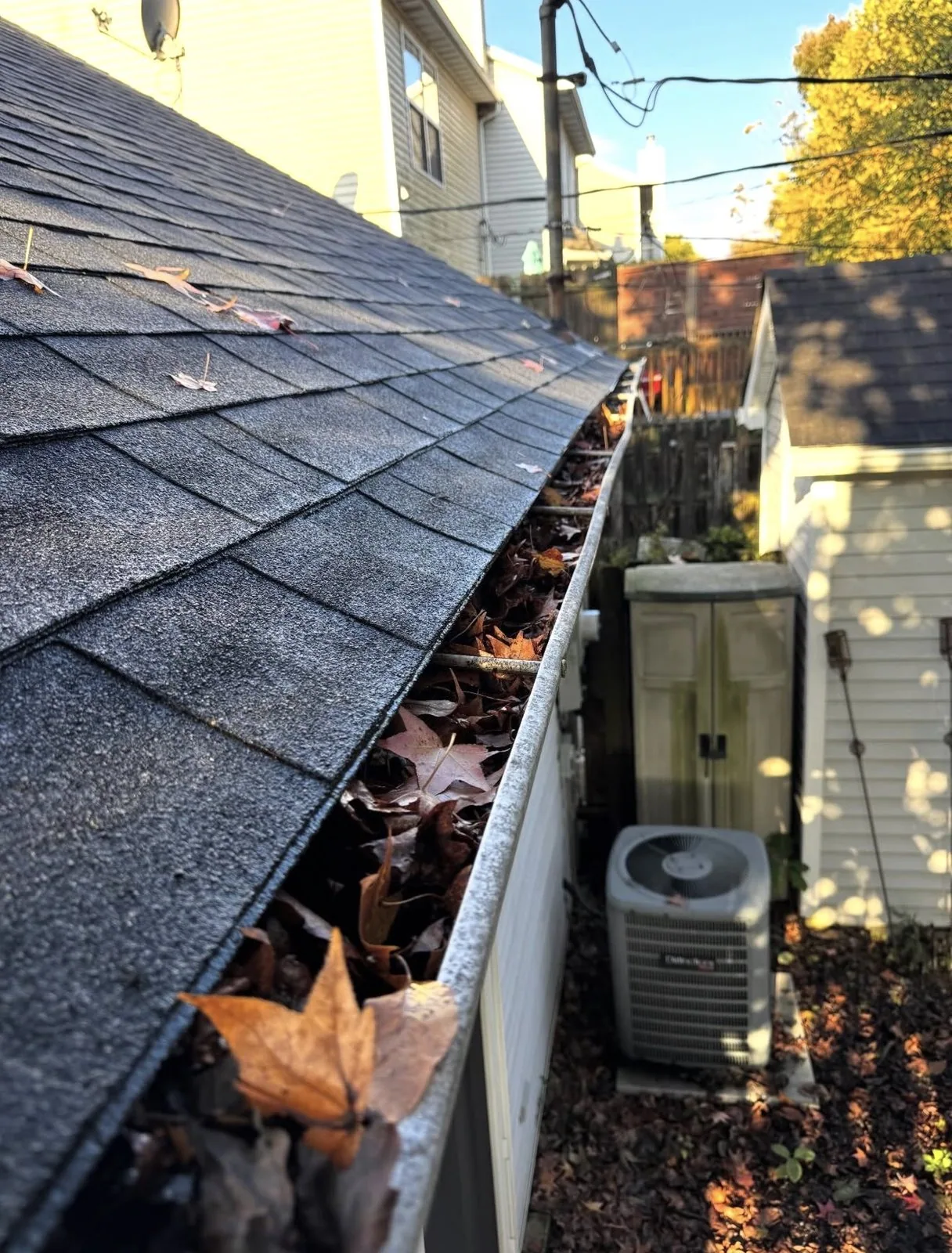
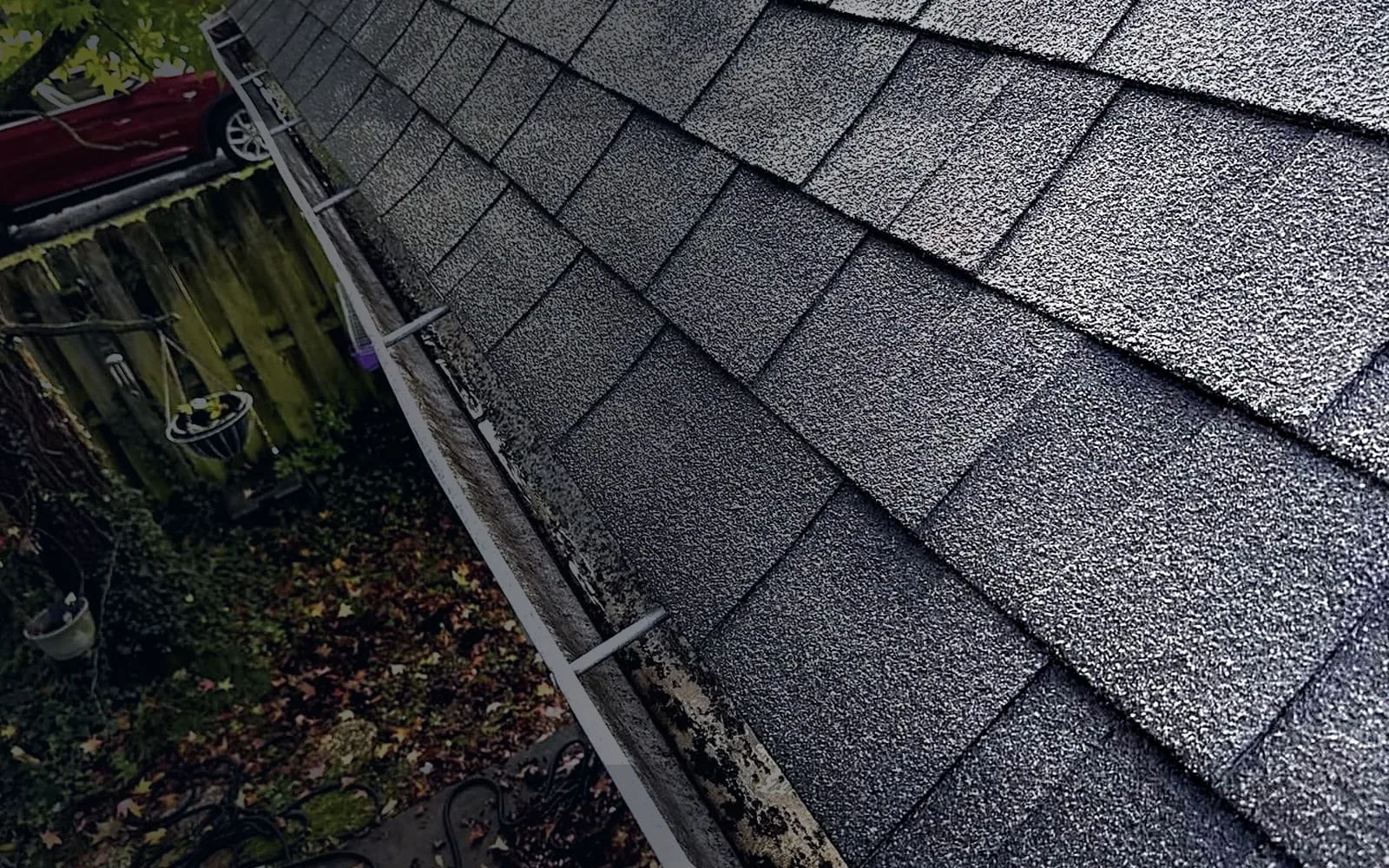
Leaves collect in gutters, roof valleys, downspout openings and drainage paths. A gutter that looks clear from the ground may contain compacted debris.
Avoid roof climbing and unstable ladders. Hire qualified help when gutter height or access makes cleaning unsafe.
Arorix’s 360 Home Care plan includes fall leaf and gutter service within standard limits. We confirm property access, scope and extras before visiting.
- Water spilling over the gutter edge
- Water flowing behind the gutter
- A downspout that releases little or no water
- Plant growth inside the gutter
- Visible leaf piles near roof valleys
- Staining or erosion below the roofline
A practical fall leaf-cleanup schedule
Adjust this three-stage Central Kentucky plan to your trees, weather, collection schedule and access.
Early fall: Prepare
- Inspect rakes, tarps, bags, and powered equipment.
- Confirm the regular yard-waste collection day and holiday schedule.
- Decide what will be mulched, composted, collected, or transported.
- Request professional availability before the busiest part of the season.
Mid-fall: Stay ahead
- Complete smaller cleanup rounds as leaves accumulate.
- Keep steps, sidewalks, driveways, and drainage paths visible.
- Mulch manageable layers before they become wet and compacted.
- Monitor gutters and downspouts during rainfall.
Late fall: Complete the final cleanup
- Clear the remaining lawn, paved areas, landscape beds, and areas behind shrubs.
- Confirm that storm drains and drainage paths are open.
- Complete the final gutter and downspout check.
- Store clean, dry equipment and note repairs to address later.
Plan your fall cleanup
Gather supplies before heavy leaf drop, work in manageable rounds and arrange disposal before building large piles.
Mulch, compost or use Lexington gray carts, paper bags or the city yard-waste facility under current rules. Keep leaves out of streets and plastic collection bags.
For planned seasonal gutter care, ask Arorix Home Solutions about 360 Home Care availability for your Central Kentucky address.
COMMON QUESTIONS
Answers before you schedule
When should I start raking leaves in Lexington, Kentucky?
Start when leaves cover lawns, walkways, drains or gutters. Smaller fall cleanups can prevent heavy buildup.
Will Lexington collect loose leaves from the curb?
No. Keep leaves out of streets and curbs. Use gray yard-waste carts or approved paper bags for city collection.
Can leaves go in plastic bags?
No. Use paper yard-waste bags for extra leaves or place them loose in the gray cart.
Can I mow over fallen leaves instead of raking?
Yes, for manageable layers. Mow into small pieces with extra passes as needed; collect excess if thick cover remains.
Does Lexington collect yard waste every week?
Generally, on your regular collection day. Check city notices for weather or holiday changes.
Where can Fayette County residents take leaves?
Haley Pike Waste Management Facility, 4216 Hedger Lane. Verify hours, free-load limits, residency and transport rules before visiting.
Does Arorix Home Solutions provide fall leaf cleanup?
360 Home Care includes fall leaf and gutter service within standard limits, subject to address, access, weather, scope and crew availability.