THE QUICK ANSWER
Black or dark-brown streaks on an asphalt-shingle roof are often associated with airborne algae and organic discoloration, although dirt, soot, moss, lichen, shade patterns, moisture, and roofing condition can create different appearances. A photograph can suggest possibilities but cannot confirm the cause or whether cleaning is appropriate. The Asphalt Roofing Manufacturers Association advises against using a power washer or brush on asphalt shingles because those methods can damage the roof surface. The practical next step is a safe professional review that separates cosmetic discoloration from moss, material wear, leaks, or conditions that belong with a roofing contractor.
What homeowners should know
- Dark roof streaking is often cosmetic algae discoloration, but not every dark mark has the same cause.
- Shade, moisture, roof debris, drainage, and local conditions can influence how quickly organic buildup becomes visible.
- Do not use a pressure washer, stiff brush, or broom on asphalt shingles.
- Roof age, pitch, material, access, drainage, and surrounding landscaping determine whether treatment is appropriate.
- Cleaning changes appearance; it does not repair leaks, damaged shingles, failed flashing, or an aging roof system.
Why roof streaks become visible
The Asphalt Roofing Manufacturers Association describes a common roof discoloration caused by algae that is frequently mistaken for dirt, fungus, soot, moss, or tree droppings. Airborne organisms can collect on roofing and create dark brown or black discoloration over time. The marks are often easiest to see from the street as vertical streaks or uneven dark areas.
Lexington's humid stretches, rainfall, shaded roof planes, nearby trees, and debris can create conditions where exterior organic buildup is noticeable. A north-facing or shaded section may look different from a sunny section on the same home. That pattern can help an inspector ask better questions, but it does not replace a close review of the roof material and condition.
Algae, moss, lichen, dirt, and damage are not interchangeable
Algae discoloration often looks like dark staining or streaking. Moss has visible plant-like growth and can hold moisture and interfere with the way shingles shed water. Lichen can form attached patches that should not be aggressively scraped. Dirt, soot, leaf residue, rust from metal, and runoff patterns can create other colors or shapes. Material loss, exposed fiberglass, curling, cracking, missing shingles, soft decking, or active leaks are different problems entirely.
That distinction matters because cleaning is not a roof repair. If the concern involves leaks, structural movement, failed flashing, widespread shingle damage, or an old roof approaching replacement, a qualified roofing contractor should evaluate it. Arorix only offers qualifying non-pressure roof treatment after reviewing the roof, access, drainage, and surrounding property.
Why pressure washing asphalt shingles is the wrong shortcut
High pressure may produce an immediate visual change, but it can also loosen or remove protective granules, disturb shingle edges, and force water where it does not belong. The Asphalt Roofing Manufacturers Association's technical bulletin specifically says not to use a power washer or brush to remove algae from asphalt roofing.
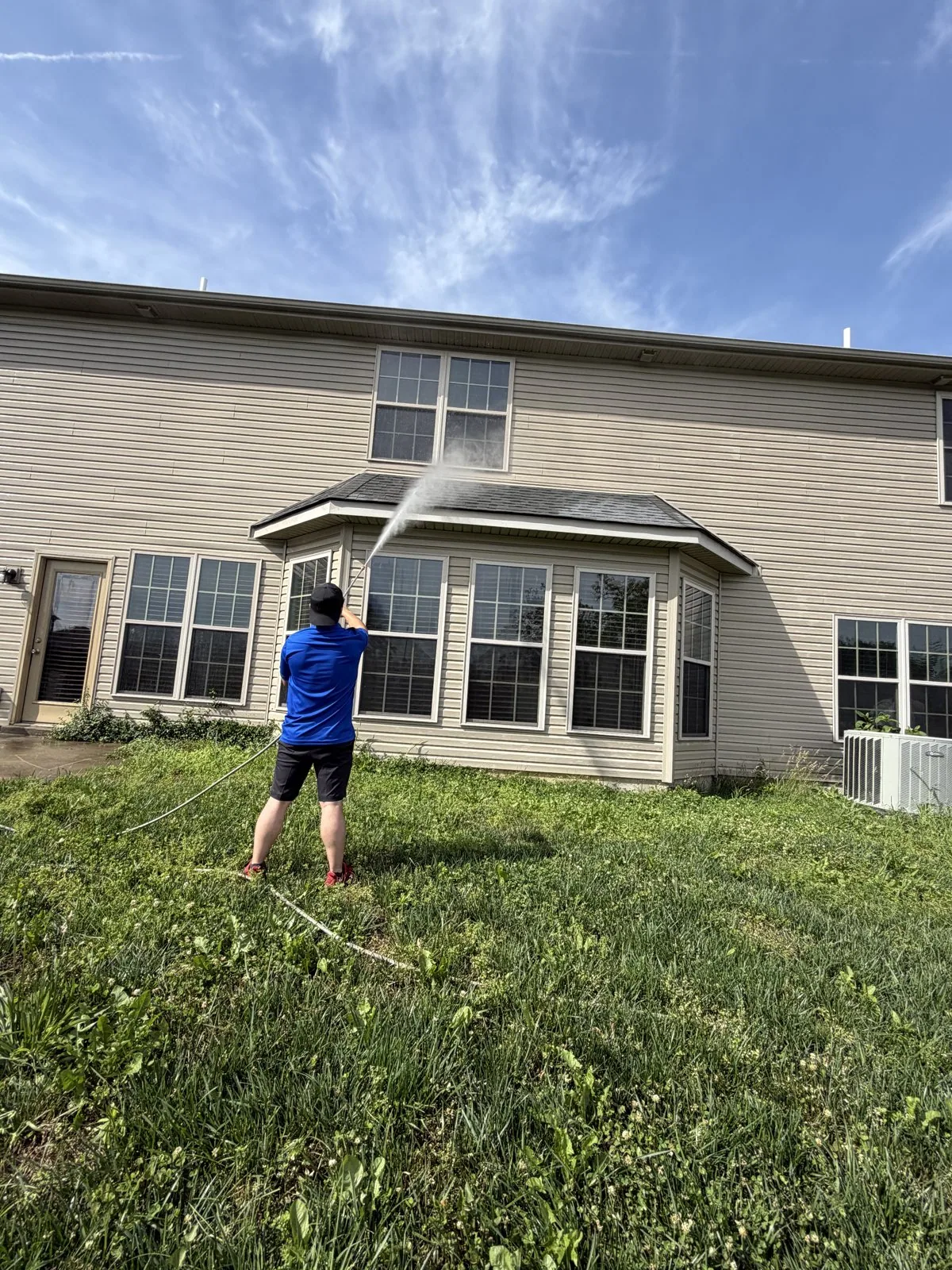
Roof work also carries serious fall risk. A stained roof may be slippery before treatment and becomes more hazardous when wet. Homeowners should not climb onto the roof to test a cleaner or scrub a patch. Manufacturer guidance, fall protection, safe access, weather, roof pitch, surrounding property, and local requirements all belong in the decision.
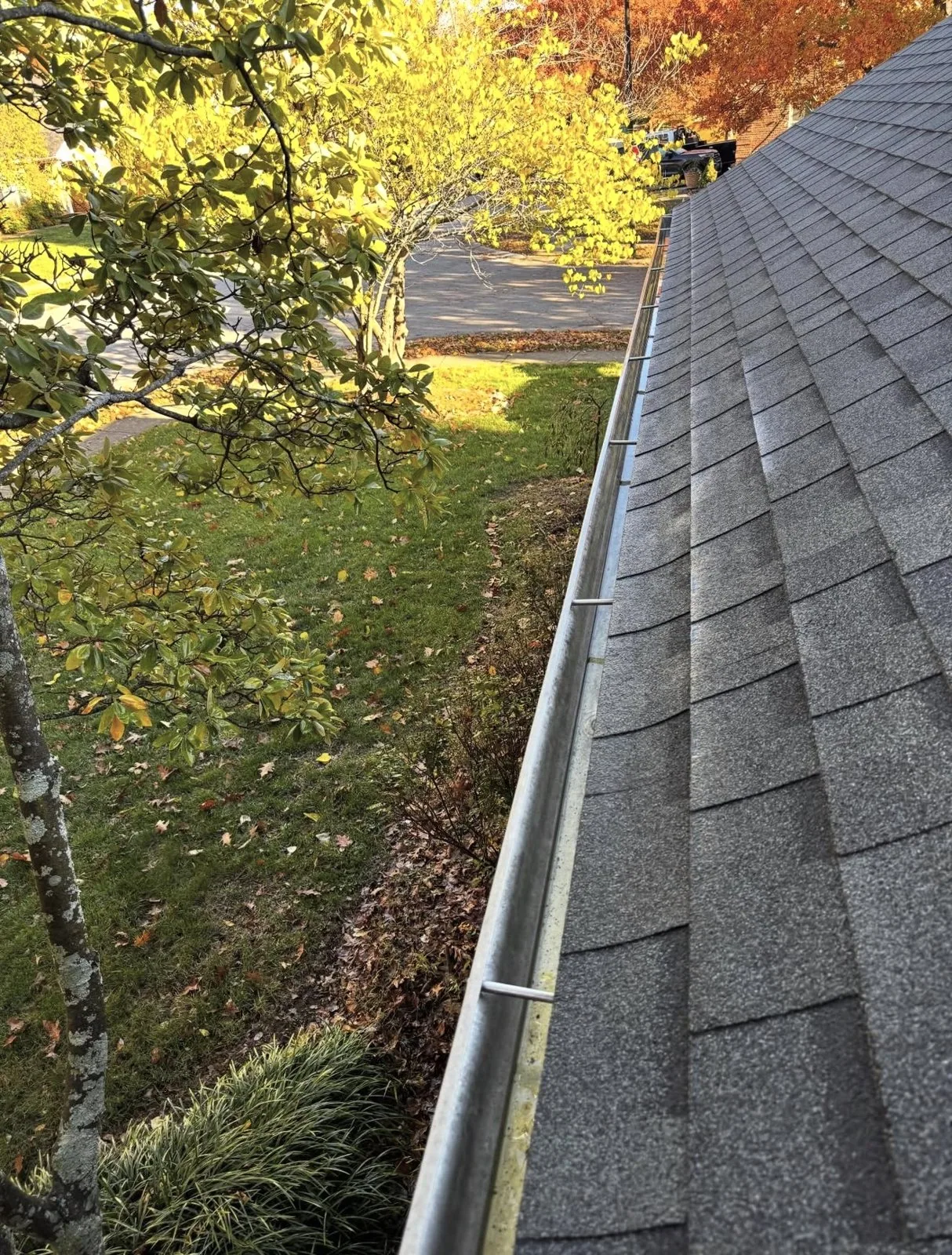
What a professional roof-treatment review should cover
A roof-treatment conversation should begin with eligibility, not a guaranteed before-and-after promise. The company should identify the roofing material, approximate condition, pitch, height, safe access points, drainage paths, downspouts, nearby plants, painted surfaces, ponds, pets, and areas where runoff must be controlled. Known leaks, recent repairs, solar equipment, skylights, and fragile landscaping should be disclosed before scheduling.
The review should also set expectations for timing. Organic discoloration may respond differently across the roof, and some treated material can release gradually after treatment and rainfall. A responsible company avoids promising that every mark will disappear immediately or that cleaning will restore worn shingles to a new condition. The goal is a suitable treatment for an eligible roof—not hiding problems that require repair.
- Confirm the roof material and whether the manufacturer provides cleaning guidance.
- Identify leaks, damaged shingles, flashing concerns, and repairs that require a roofer instead of a cleaner.
- Plan safe access without treating the roof like an ordinary walking surface.
- Review runoff, downspouts, landscaping, exterior finishes, pets, and neighboring property.
- Explain the expected timeline and which discoloration may remain.
Can roof streaks come back?
Yes. Cleaning addresses current qualifying buildup; it does not permanently change shade, humidity, nearby trees, airborne organisms, or the design of the roof. Recurrence varies with the property and roofing product. Some modern shingles are manufactured with algae-resistant features, but the homeowner should confirm product-specific claims and maintenance guidance with the roofing manufacturer.
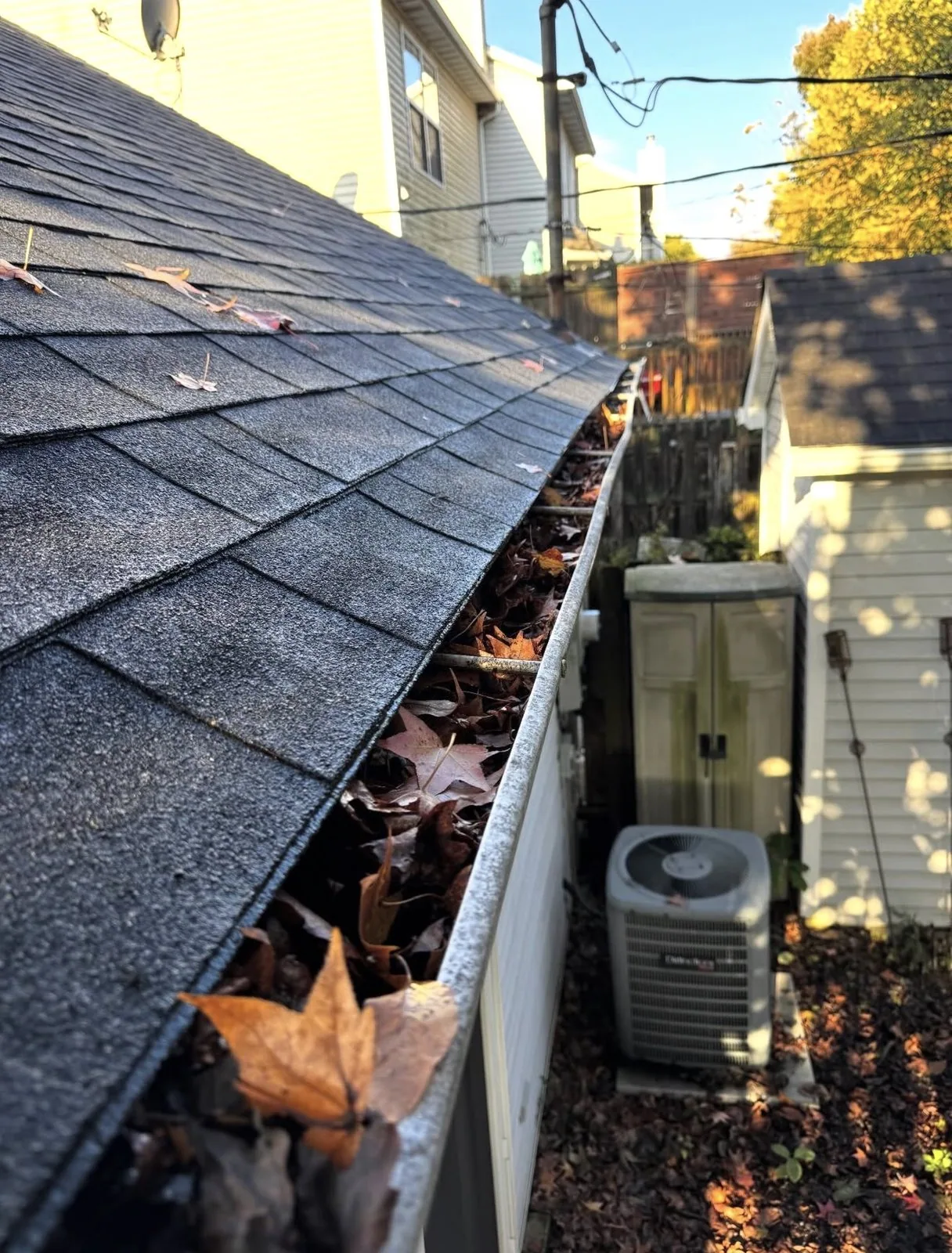
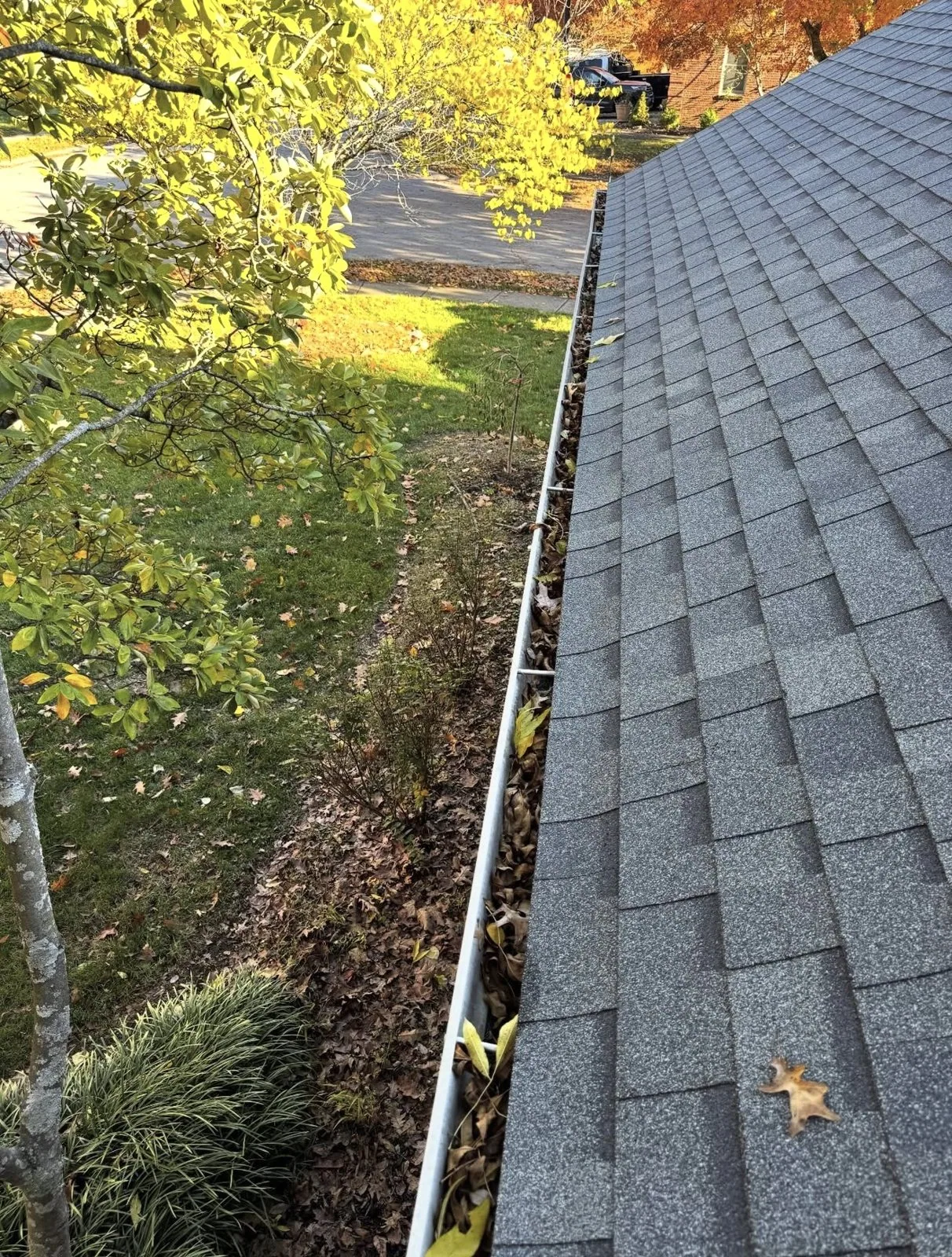
Keeping gutters and downspouts clear supports normal drainage. Reducing roof debris and addressing branches that heavily shade or contact the roof may also help the roof dry more predictably, although tree work should be handled safely and does not guarantee streaks will not return. Avoid installing improvised chemicals or devices without checking manufacturer guidance and the effect on roofing warranties.
When cleaning is not the first call
Contact a roofing professional when you see active leaks, soft or sagging areas, missing or badly damaged shingles, exposed underlayment, storm damage, widespread granule loss, failed flashing, or signs that the roof is near the end of its service life. Cleaning should not delay needed repair or replacement.
If the concern is primarily appearance and the roof otherwise seems serviceable, request an assessment rather than experimenting with a rented pressure washer or a roof-walking DIY treatment. Arorix explains its eligibility limits on the roof soft-washing service page and confirms whether a standard treatment can be quoted.
The bottom line
Black streaks are common enough to have a familiar explanation, but the safest answer still depends on the actual roof. Treat dark marks as a reason to identify the material and condition—not as permission to blast the shingles. Separate cosmetic discoloration from repair issues, follow roofing-manufacturer guidance, keep people off unsafe roof surfaces, and choose a non-pressure plan only when the roof and surrounding property qualify.
COMMON QUESTIONS
Answers before you schedule
Do black roof streaks mean I need a new roof?
Not automatically. Streaks can be cosmetic algae discoloration, but a photo cannot rule out age, damage, leaks, moss, or other conditions. A roof assessment should separate appearance concerns from repair or replacement needs.
Can I pressure wash asphalt shingles?
No. Arorix does not pressure wash asphalt shingles, and the Asphalt Roofing Manufacturers Association advises against power washing or brushing algae from asphalt roofing because those methods can damage the surface.
Will roof treatment remove every dark mark immediately?
Results and timing vary with the type of buildup, roof material, age, condition, weather, and treatment. Some organic material may release gradually. Permanent wear, staining, or damage will not be repaired by cleaning.
Is roof cleaning safe for landscaping?
The property below must be reviewed and protected as part of the treatment plan. Landscaping, runoff routes, downspouts, ponds, pets, painted surfaces, and neighboring property can affect eligibility and preparation.
How much does roof soft washing cost?
Arorix currently lists qualifying roof soft washing from $699. Final pricing depends on material, size, pitch, condition, access, drainage, and surrounding-property protection. Not every roof qualifies.