THE QUICK ANSWER
For many Central Kentucky homes, a spring inspection and a cleaning after the main fall leaf drop are sensible starting points. Homes under mature trees, beneath pines, near roof valleys, or with recurring overflow may need checks more often. Newly installed gutters are not maintenance-free, and gutter guards still need inspection because debris can collect on top, enter at gaps, or block valleys and outlets. Do not wait for an arbitrary date if you see overflow, sagging, plants, staining, loose sections, downspout trouble, or water collecting near the foundation. The schedule should follow the property, not a generic calendar.
What homeowners should know
- Start with spring and late-fall inspections, then adjust the schedule to your property.
- Mature trees, pines, roof valleys, storms, and recurring clogs can require additional visits.
- A complete visit should address debris, accessible outlets, downspout flow, and visible concerns—not only scoop the top layer.
- Gutter cleaning does not repair hidden drainage, failed underground lines, major pitch problems, or damaged roof components.
- Avoid climbing onto a wet or debris-covered roof; difficult or unsafe access should be handled by trained professionals.
Why spring and fall are useful starting points
Late fall is the obvious maintenance window for deciduous leaves, but waiting until every leaf is down can allow early buildup to block outlets during autumn rain. Some properties benefit from one visit during the drop and another after the majority of leaves have fallen. The right timing depends on the trees over each roof plane and how quickly the gutters lose flow.
Spring is a second practical checkpoint. Winter wind, seed pods, roof granules, small branches, animal nesting material, and early growth can collect even when the gutters looked clear months earlier. A spring inspection also gives the homeowner a chance to spot loose sections, staining, and downspout issues before repeated warm-season storms.
Properties that may need more frequent cleaning
Two visits per year are not a guarantee. Some homes need less attention, while heavily treed properties can clog several times in one season. Use the following conditions to decide whether an extra inspection belongs on the schedule.
- Large deciduous trees hang over or upwind of the roof.
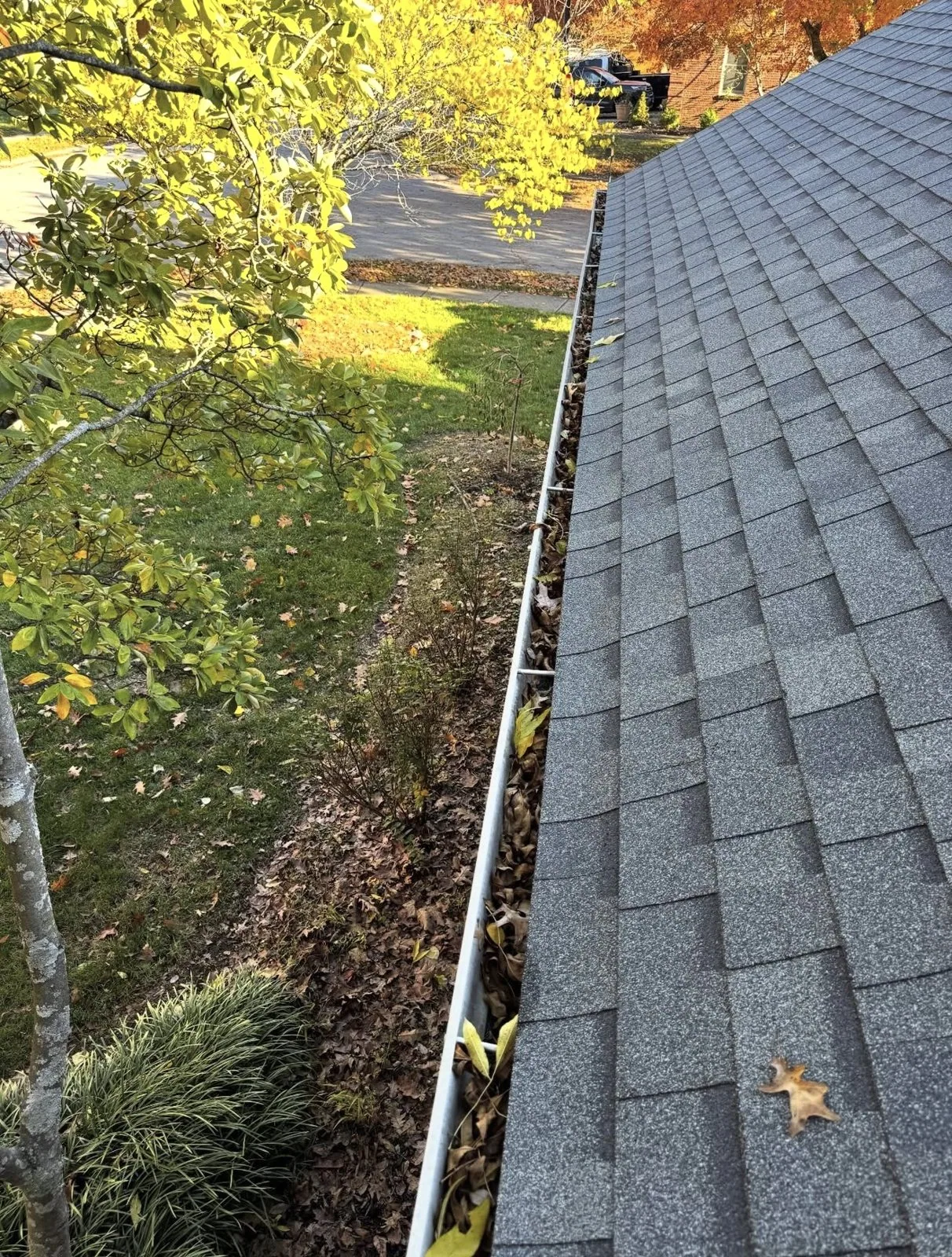
- Pines drop needles that pass through small openings and pack tightly around outlets.
- Roof valleys deliver concentrated water and debris into one short gutter section.
- The home has multiple roof levels or upper downspouts that discharge onto lower roofs.
- Gutter guards collect surface debris or have openings where small material enters.
- Birds, squirrels, or other animals leave nesting material near the roofline.
- The property has a history of overflow, basement moisture, erosion, or buried-drain trouble.
Warning signs that should move the visit forward
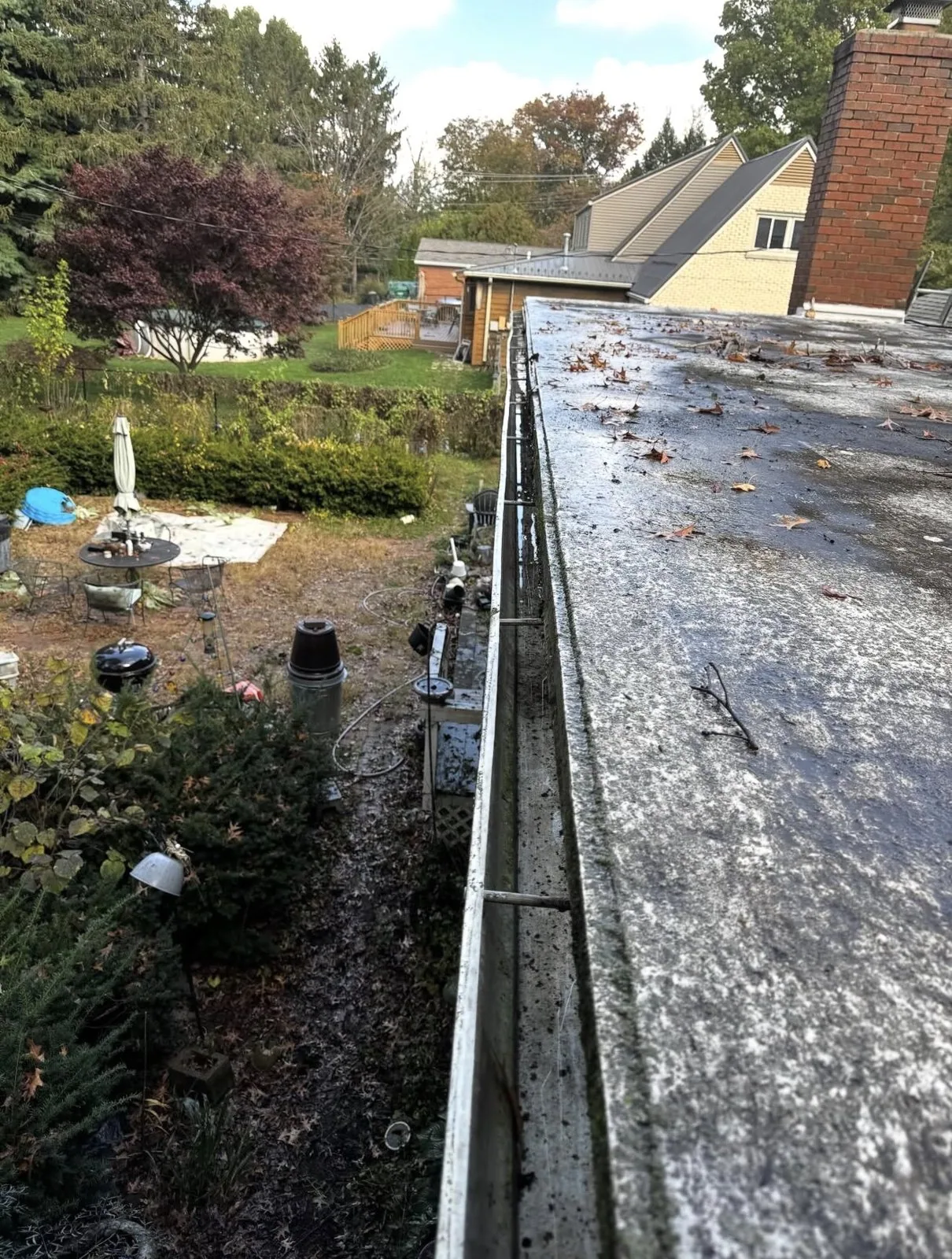
The gutter system tells you when the calendar is no longer enough. Watch the house during ordinary rain from a safe location on the ground. Water spilling over the front edge, pouring behind the gutter, or missing the downspout suggests a clog, pitch problem, loose section, undersized component, roof-flow issue, or a combination of conditions.
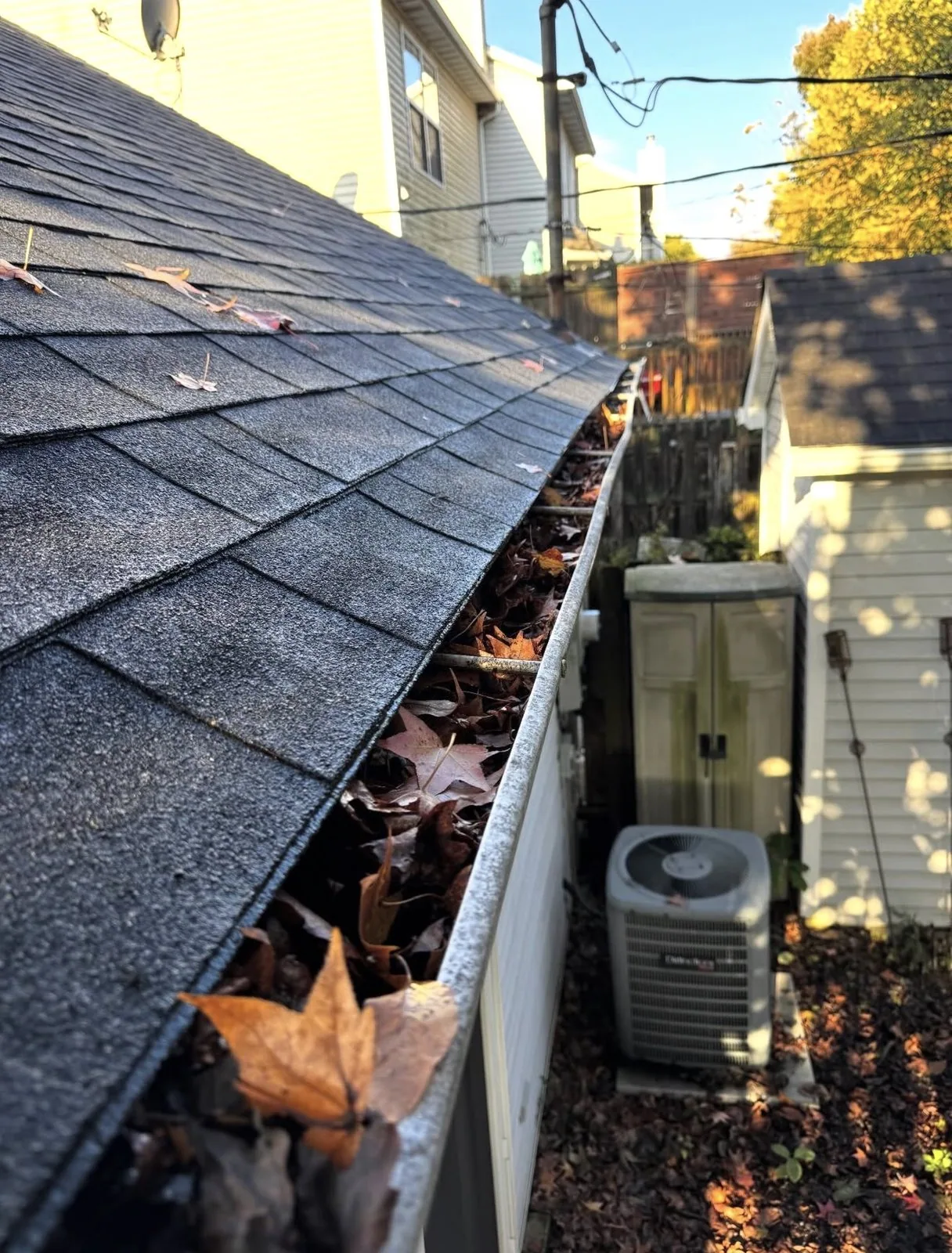
Plants growing from the gutter, visible piles of leaves, staining on fascia or siding, mosquito activity, sagging, separation, and water collecting close to the foundation also deserve attention. Overflow is not always caused by debris, so cleaning should be followed by a flow check and a note about visible repairs or drainage concerns outside the approved cleaning scope.
What a gutter-cleaning visit should include
A standard visit should remove accessible debris from the approved gutters, clear accessible outlets, address the approved downspouts, and perform a final flow check where conditions allow. The crew should collect or manage removed debris, avoid leaving a mess around the property, and communicate visible concerns such as loose sections, damaged components, staining, or areas that could not be reached safely.
Ask whether the quote includes downspout flushing, cleanup, and a flow check. Also ask what happens if a downspout remains blocked. An obstruction inside a concealed line, an underground drainage failure, incorrect pitch, a separated joint, or a crushed component may require a different service. Arorix's gutter-cleaning service is limited to safely accessible gutters and rooflines; major repairs or concealed drainage work are not silently added to a cleaning visit.
What gutter cleaning does not fix
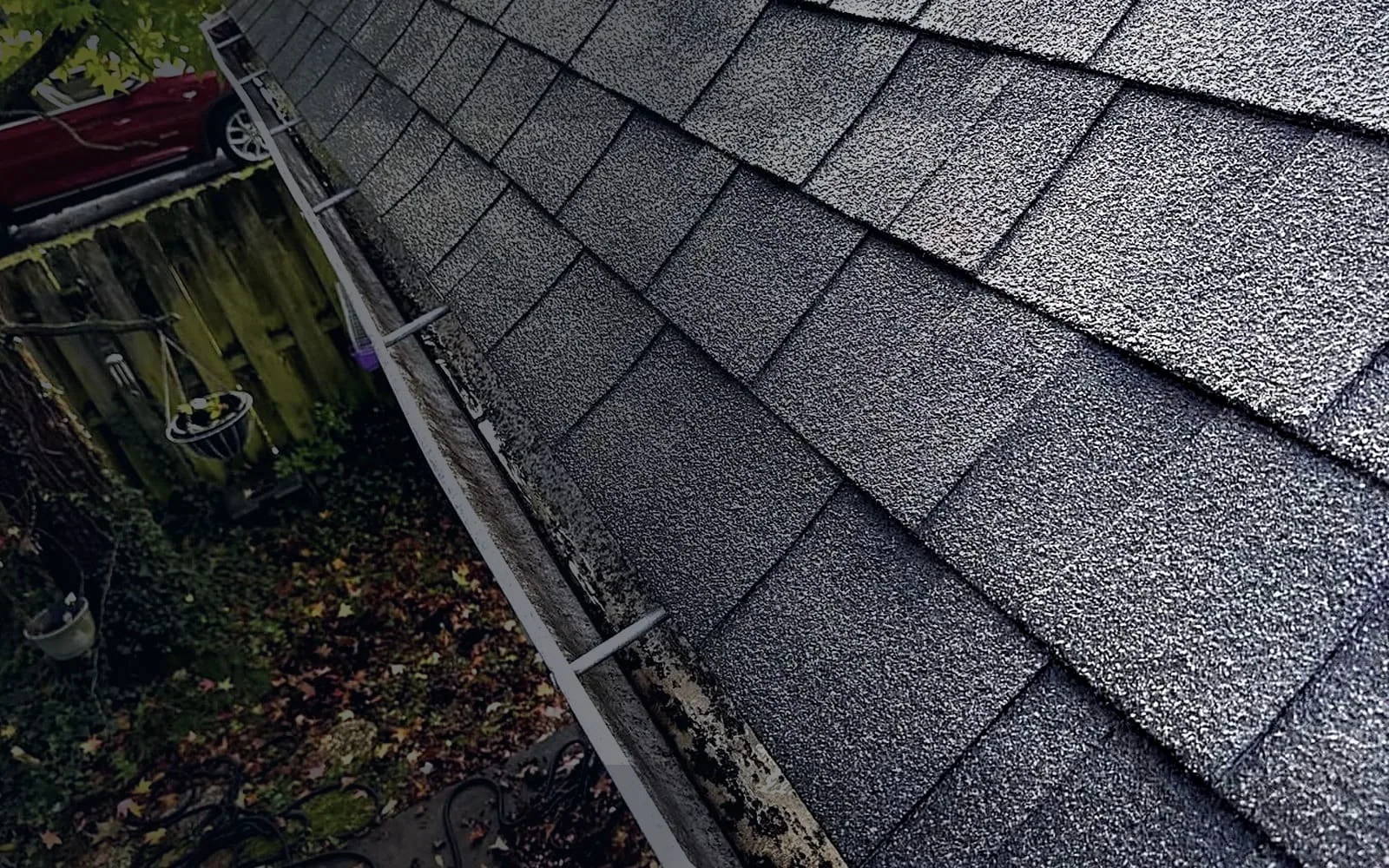
Cleaning restores access through qualifying debris; it does not rebuild the drainage system. Gutters with poor pitch, undersized downspouts, failed seams, loose fasteners, rotten fascia, roof-edge problems, crushed underground lines, or foundation-grading issues can still overflow or discharge water in the wrong place after they are clean.
If the crew finds a small qualifying repair, it should be quoted separately as handyman work. Larger gutter replacement, roofing problems, concealed drainage, structural concerns, and foundation-water issues belong with the appropriate specialist. Keeping those boundaries clear prevents a maintenance visit from turning into an unapproved repair project.
Gutter guards still require attention
A guard can reduce the amount or size of material entering the gutter, but it does not remove every maintenance need. Leaves and needles may collect on the guard, roof valleys can overwhelm a section, small debris can enter through openings, and outlets can still clog. Fasteners, seams, pitch, and downspouts also remain part of the system whether a cover is installed or not.
Ask the guard manufacturer what inspection and cleaning methods are allowed. Some products require removal or special access, which can change service time and price. Do not assume that a covered gutter can be ignored until visible overflow appears.
Make the schedule easier to remember
Tie inspections to visible seasonal events: spring seed drop, the first heavy autumn leaf fall, the end of leaf season, or a major windstorm. Keep a simple note of when the gutters were serviced and which sections filled fastest. After a year, you will have a property-specific schedule instead of guessing.
Homeowners who prefer planned maintenance can place gutter care inside a seasonal relationship. Arorix 360 Home Care includes planned spring and fall gutter-related service windows within the plan's standard limits. Whether you use a plan or individual visits, the objective is the same: address predictable buildup before overflow becomes the reminder.
The bottom line
Begin with spring and late fall, then let the trees, roof design, storms, guards, and actual flow determine the final schedule. Watch the system during rain, respond to warning signs, and make sure a cleaning visit includes more than removing the most visible leaves. Most importantly, do not risk a fall to inspect a difficult roofline. A maintenance schedule only helps when the work can be performed safely and the limits are clear.
COMMON QUESTIONS
Answers before you schedule
Is once a year enough for gutter cleaning?
It may be enough for some open properties, but many Central Kentucky homes benefit from spring and late-fall checks. Mature trees, pines, roof valleys, guards, and recurring overflow can require more frequent service.
What time of year is best to clean gutters in Kentucky?
Late fall after most leaves have dropped is a common priority, with spring as a useful second checkpoint. Heavily treed properties may need an additional visit during the leaf drop or after major storms.
Do gutter guards eliminate cleaning?
No. Guards can reduce some debris but still need inspection. Material can collect on top, enter through gaps, clog valleys or outlets, and interfere with downspout flow.
Does gutter cleaning include repairs?
Standard cleaning does not include replacement, roofing work, concealed drainage repairs, or underground-line service. Small qualifying repairs may be quoted separately after the condition is identified.
How much does gutter cleaning cost?
Arorix currently lists gutter cleaning from $175. Final pricing depends on the home's size, height, debris, guards, access, roofline, downspout condition, and approved scope.